

MSM & Natural Joint Support: Everything You Need to Know
Jointsupportpure is an editorial resource dedicated to exploring the science behind MSM (methylsulfonylmethane) and its role in maintaining joint flexibility, cartilage comfort, and an active lifestyle. Browse our curated articles, expert insights, and evidence-based guides — all written to help you make informed decisions about your musculoskeletal wellness.
Want to understand how MSM supports your joints?
Discover Key BenefitsBrowse by Topic
Top Joint Health Benefits of MSM
Our editorial team has compiled in-depth guides covering the most important aspects of MSM supplementation and natural joint support strategies.

How MSM Supports Natural Joint Flexibility
MSM is a naturally occurring sulfur compound found in many plant and animal foods. This article explores how regular intake may contribute to improved range of motion and softer, more supple connective tissue over time.

The Role of Sulfur in Cartilage Maintenance
Sulfur is a fundamental building block for healthy cartilage tissue. Learn how MSM delivers bioavailable sulfur directly to your joints and why this matters for long-term structural integrity of the musculoskeletal system.

MSM as a Natural Supplement for Active Individuals
From recreational runners to professional athletes, many active people incorporate MSM into their daily dietary routine. Discover what current research says about its use in supporting post-exercise recovery and physical comfort during movement.
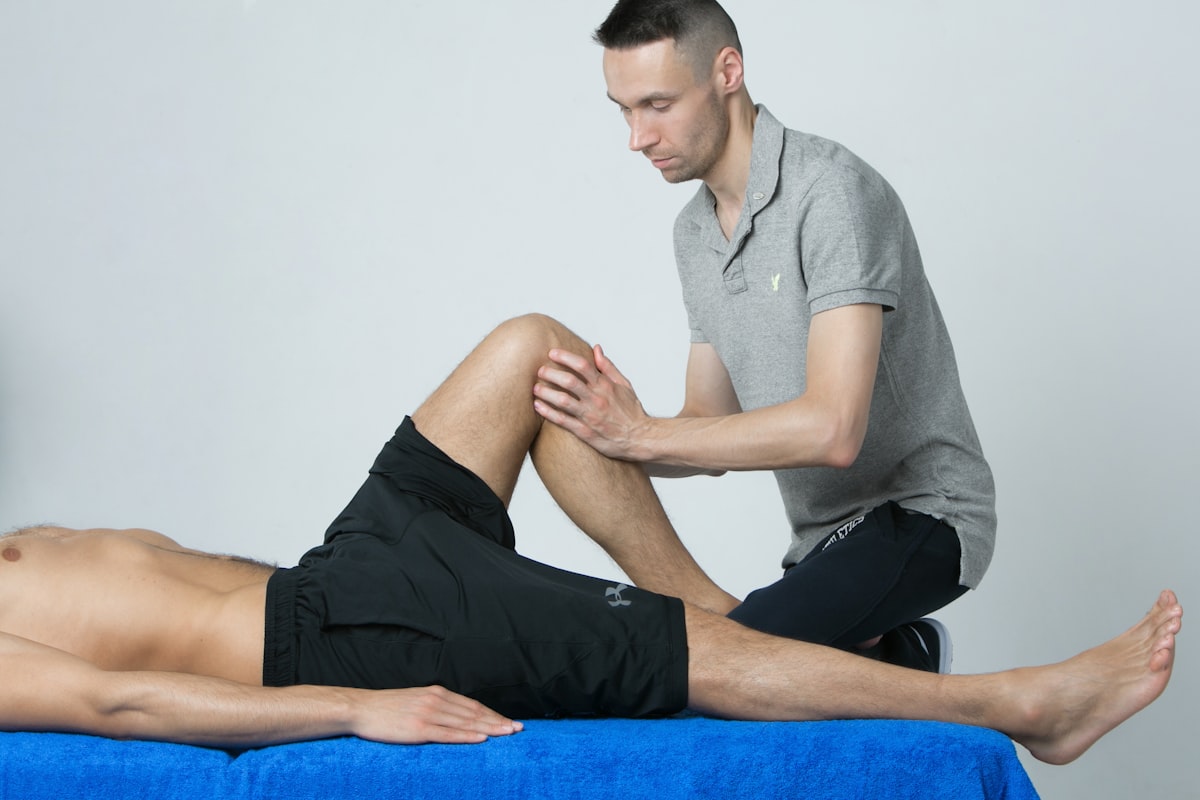
Plant-Based Extracts That Pair Well with MSM
Certain botanical extracts — including turmeric, boswellia, and ginger — are frequently combined with MSM in natural joint health formulas. This guide reviews the science of combining plant compounds with MSM for comprehensive joint comfort support.

Vitamins and Minerals That Support the Musculoskeletal System
Vitamin D, magnesium, vitamin C and zinc all play critical roles alongside MSM in maintaining healthy bones and joints. Our editorial overview breaks down each micronutrient's function and how they interact within a complete joint-support dietary approach.
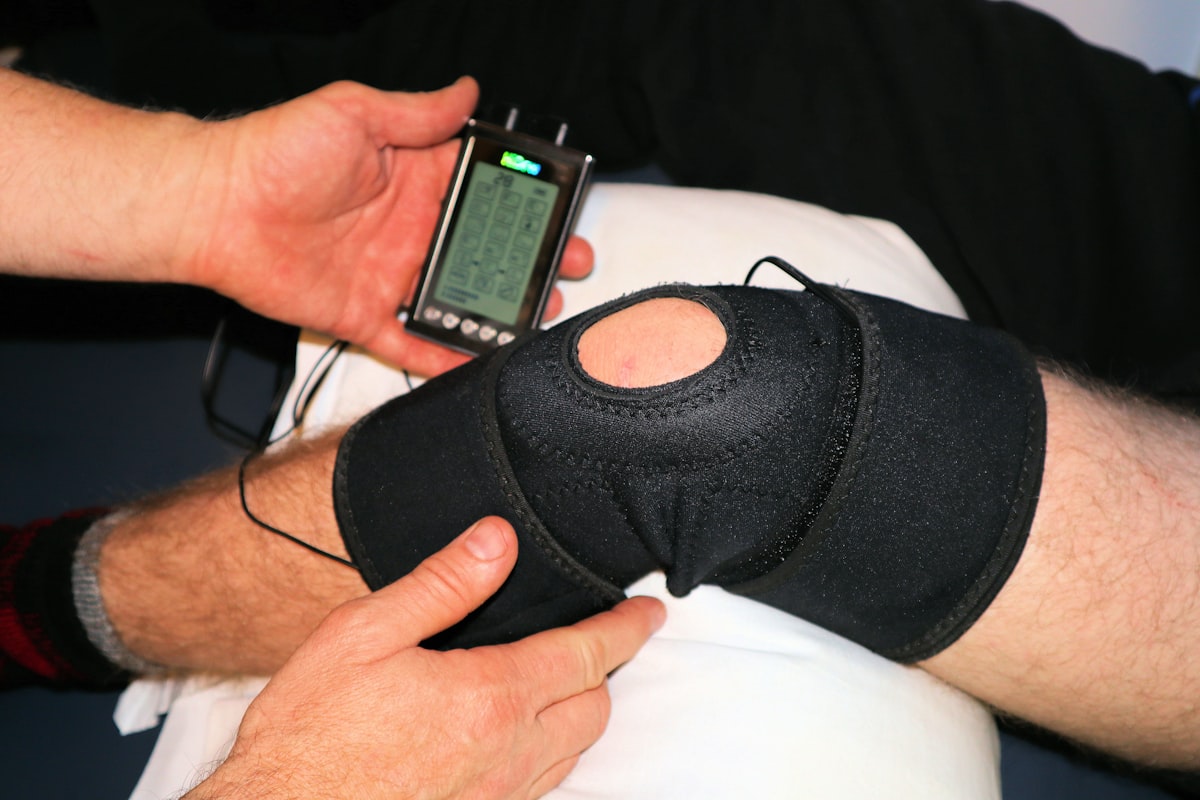
Supporting Movement Comfort in Everyday Life
Maintaining comfortable, fluid movement is central to a high quality of life at any age. This piece looks at how dietary supplements and lifestyle choices — from hydration to stretching and natural compounds like MSM — contribute to sustained joint comfort throughout the day.
Understanding How MSM Contributes to Joint Comfort
Methylsulfonylmethane, commonly abbreviated as MSM, is a naturally occurring organosulfur compound present in small quantities in many whole foods, including green leafy vegetables, onions, garlic, and certain grains. As a dietary supplement, it has been the subject of numerous independent research studies examining its potential role in supporting connective tissue health, joint mobility, and overall musculoskeletal comfort.
The key mechanism researchers point to involves MSM's rich sulfur content. Sulfur is a critical structural element in collagen and keratin — two proteins that form the backbone of tendons, ligaments, and cartilage. By providing bioavailable sulfur, MSM may help the body maintain adequate levels of these foundational proteins, which are essential for keeping joints resilient and mobile over time.
Our editorial team at Jointsupportpure is committed to presenting this information transparently and accurately. We synthesize peer-reviewed sources, consult subject-matter experts, and clearly distinguish between established science and emerging hypotheses — so our readers always know where the evidence stands.
About Our Editorial Team
Further Topics in Joint & Supplement Science
Expand your knowledge with these additional editorial pieces curated by our specialist writers and health researchers.

Collagen Synthesis and the Sulfur Connection
Collagen is the most abundant protein in the human body, and sulfur-containing amino acids are indispensable to its cross-linked structure. This article explains the biochemical relationship between MSM, sulfur, and collagen production in cartilage-forming cells.

Understanding MSM Dosage: What Research Tells Us
Various clinical studies have used a range of MSM daily intakes. This informational overview summarizes the amounts most commonly referenced in research contexts, alongside notes on typical forms (capsule, powder, topical) and how each is absorbed differently by the body.

Dietary Habits That Complement a Joint-Supportive Routine
A well-rounded diet rich in antioxidants, omega-3 fatty acids, and sulfur-containing foods naturally reinforces joint tissue health. Read our editorial breakdown of the nutritional choices that align with an active, joint-conscious lifestyle — and how MSM fits into the bigger picture.
How MSM Works in the Body — Step by Step
A simplified editorial overview of the key stages through which MSM interacts with human physiology — based on publicly available research literature.
Absorption in the Digestive Tract
After ingestion, MSM is rapidly absorbed through the gastrointestinal wall and enters systemic circulation. Its small molecular size and high water solubility make it among the more bioavailable sulfur compounds studied in nutritional science.
Sulfur Distribution to Connective Tissues
MSM-derived sulfur is transported via the bloodstream and preferentially taken up by connective tissues — including cartilage, tendons, and ligaments. There, it serves as a raw material for the biosynthesis of glycosaminoglycans, proteoglycans, and structural proteins essential to joint integrity.
Antioxidant Activity at the Cellular Level
Research suggests that MSM may also act as a free-radical scavenger within joint tissues, helping to neutralize oxidative stress. This cellular antioxidant activity is considered one reason why athletes and individuals with physically demanding routines report interest in MSM as a dietary supplement.